


Demand for refurbished smartphones is growing across Europe, but successful marketplaces depend on more than consumer interest. This case study explores how Polcode built a Magento-powered marketplace that combines a multi-vendor architecture, local market integrations, and a scalable foundation for circular commerce.
How to Build a Refurbished Smartphone Marketplace
Demand for refurbished smartphones is growing across Europe, but successful marketplaces depend on more than consumer interest. This case study explores how Polcode built a Magento-powered marketplace that combines a multi-vendor architecture, local market integrations, and a scalable foundation for circular commerce.
TL;DR
Consumer demand isn't the problem. Millions of Europeans are open to buying refurbished smartphones—the real challenge is turning that intent into completed purchases.
Trust is built into the platform, not the marketing. Consistent grading, warranties, seller standards, and a frictionless user journey have a bigger impact than sustainability messaging alone.
Marketplace architecture beats single-seller models. Bringing certified refurbishers together creates more choice, competitive pricing, and a better customer experience.
Scaling across Europe requires localization, not reinvention. Payments, logistics, language, and compliance must adapt to each market while the core platform remains the same.
Technology becomes a competitive advantage. In this case study, we show how Magento helped create a flexible marketplace ready to support circular commerce across multiple countries.
How to Build a Refurbished Smartphone Marketplace (Magento Case Study)
Refurbished smartphones are no longer a niche. Across Europe, 66% of Polish consumers already own or would consider buying one. The numbers in France, the UK, and Germany tell a similar story — 64% and 62% respectively show strong openness to pre-owned devices.
And yet, 64% of Europeans have never used a trade-in program. Millions of devices sit unused in drawers. The gap between intent and action is wide, and closing it is one of the more interesting problems in e-commerce today.
At Polcode, we recently contributed to exactly that challenge, delivering a refurbished smartphone marketplace launched in the Polish market. Here's what we learned about what it actually takes to build this kind of platform.
Why Refurbished Smartphones Don’t Convert (and What Holds Marketplaces Back)
The real barrier isn’t awareness.
It’s an experience. Shocking, I know.
Most articles about the refurbished market focus on consumer attitudes. Awareness is high, intent is positive, and the sustainability argument resonates.
But awareness alone doesn't convert. What slows adoption is friction: unclear grading standards, complex trade-in flows, and digital experiences that feel inconsistent or untrustworthy. In a category where the value proposition depends on trust, small UX failures have outsized consequences.
Why the Marketplace Model Works for Refurbished Phone Platforms
Refurbished devices sit at an uncomfortable intersection: buyers want low prices and high confidence. That's a hard combination for a single seller to deliver at scale.
A marketplace model addresses this directly. Aggregating certified refurbishers under one platform, it introduces price competition while maintaining consistent grading and warranty standards. Buyers get more choice; the platform maintains quality control. The result is a unified environment where trust signals, grades, warranties, and seller ratings follow a consistent logic across every listing.
How to Scale a Refurbished Marketplace Across Countries
What works in Poland doesn't automatically work in France or Germany. Payment preference and delivery expectations s differ. Consumer behaviors differ in ways that aren't always obvious until you're operating in a market.
Scalability in this context means something specific: the underlying model stays consistent, but the implementation adapts. Local payment integrations, language support, currency handling, and logistics partners all of these need to work within the same platform architecture without requiring a full rebuild for every new market.
This is where a white-label marketplace approach proves its value. Partners, in this case, a telecom operator, launch under their own brand. The platform engine, including sourcing, logistics, and customer journey management, runs behind the scenes. The operator brings brand trust and customer reach; the platform provides operational infrastructure.
Magento Marketplace Development: Why Architecture Decisions Matter
For the Polish implementation, the marketplace was built on Magento, a deliberate choice that reflects the requirements of multi-vendor e-commerce at scale.
Magento's flexibility made it possible to support multiple sellers within a single storefront, integrate with local payment and delivery providers, and maintain a consistent user experience across the platform. Polcode handled the delivery and development of the e-commerce layer, including platform customization, local service integrations, and adapting the solution to meet specific market requirements.
The architectural decisions made here directly affect business outcomes: how quickly new markets can be launched, how consistently the experience holds across localizations, and how well the platform handles growth in traffic and transaction volume.
A well-designed Magento marketplace development project solves today's requirements and creates the infrastructure for the next rollout.
What this Refurbished Marketplace Case Study Shows
Circular commerce is moving from concept to infrastructure. The consumer appetite is there. The regulatory direction in Europe supports it. What's been missing is the operational and technical foundation to make it repeatable.
This project shows one way to close that gap: a marketplace model that balances affordability and reliability, delivered through a flexible e-commerce platform that can scale across markets without starting from scratch each time.
For telecom operators, retailers, and platform providers looking to enter this space, the lesson is consistent: consumer trust is built through experience, and experience is built through infrastructure.
Explore how we built a Magento refurbished smartphone marketplace
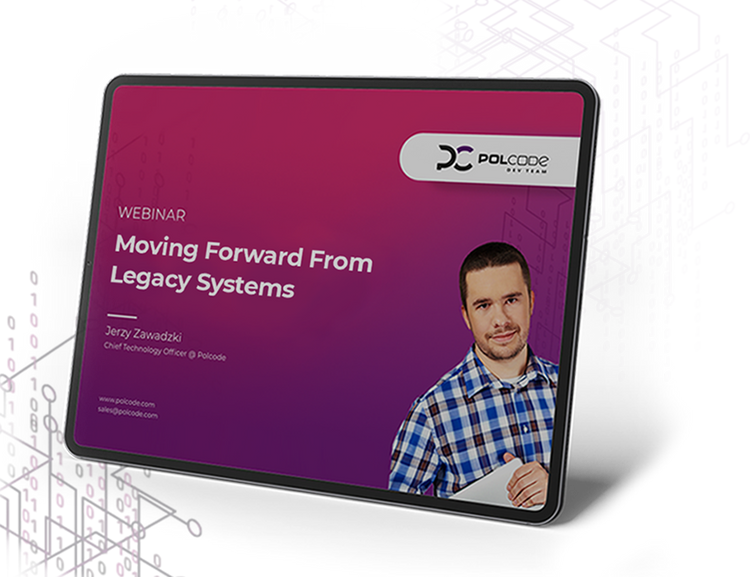
On-demand webinar: Moving Forward From Legacy Systems
We’ll walk you through how to think about an upgrade, refactor, or migration project to your codebase. By the end of this webinar, you’ll have a step-by-step plan to move away from the legacy system.
Latest Blog Posts
How Mid-Sized Healthcare and Beauty Facilities Can Improve Internal Systems: Where to Start and What to Prioritize
Jul 15, 2026 by Joanna Karbowa
Why Developer Experience Is the New User Experience: Engineering Efficiency, Product Quality & Competitive Advantage
Jul 13, 2026 by Elżbieta Adamus-Wolny
Agencies of the Future Will Sell Systems, Not Hours
Jun 22, 2026 by Sylwia Masłowska
Ready to Build a Circular Commerce Platform?
Assess Your Business Model
Identify the marketplace features and integrations your platform needs.
Plan for Scale
Create an architecture that supports localization, multiple sellers, and operational efficiency.
Launch with the Right Partner
Work with Polcode to build a Magento marketplace ready for long-term growth.