

How Mid-Sized Healthcare and Beauty Facilities Can Improve Internal Systems: Where to Start and What to Prioritize

Operational challenges in healthcare clinics and beauty facilities rarely begin with failing software. More often, they emerge through disconnected workflows, manual processes, and fragmented systems that slow teams down. This guide explains how to identify the biggest sources of operational friction, prioritize improvements, and modernize internal systems without disrupting day-to-day operations.
How Mid-Sized Healthcare and Beauty Facilities Can Improve Internal Systems: Where to Start and What to Prioritize
Operational challenges in healthcare clinics and beauty facilities rarely begin with failing software. More often, they emerge through disconnected workflows, manual processes, and fragmented systems that slow teams down. This guide explains how to identify the biggest sources of operational friction, prioritize improvements, and modernize internal systems without disrupting day-to-day operations.
TL;DR
Healthcare clinics and beauty facilities rarely experience internal systems problems such as software failures. More often, they appear as scheduling delays, duplicated administrative work, fragmented reporting, and operational inefficiencies.
The most effective modernization initiatives start with understanding where friction occurs, prioritizing high-impact workflows, and improving processes and integrations before considering full platform replacement.
Key Takeaways
Operational problems often reveal underlying systems issues.
Audit workflows before investing in new technology.
Prioritize scheduling, billing, reporting, and staff coordination.
Improve integrations where possible before replacing existing systems.
Modernize gradually to minimize disruption and support long-term growth.
Operational Problems Often Start Behind the Scenes
Operational problems in healthcare clinics, med spas, and beauty facilities rarely announce themselves as technology failures. They arrive as scheduling conflicts, inconsistent reporting, delayed approvals, and administrative overload, friction that accumulates quietly until it starts slowing everything down.
At first, the workarounds feel manageable. Staff copy data between systems. Managers build spreadsheets to fill reporting gaps. Front-desk teams coordinate appointments through informal channels because the official workflow no longer reflects how the facility actually operates. Over time, though, the debt compounds. The organization becomes slower, less visible, and harder to scale.
For mid-sized facilities, the challenge is never simply adopting new software. It is understanding which internal systems are creating the most friction, which workflows need redesign, and where improvement efforts will deliver the greatest impact without disrupting daily operations.
That is where a structured approach to internal systems improvement becomes critical.
Why Internal Systems Problems Usually Show Up as Operational Problems First
Most facilities do not realize their internal systems need improvement until operational performance starts declining.
The symptoms are indirect: longer patient wait times, scheduling conflicts, duplicated administrative work, communication gaps between teams, and slower onboarding for new staff.
By the time leadership identifies the underlying systems issue, employees have often spent months compensating for broken workflows manually.
The Hidden Cost of Manual Workarounds and Disconnected Tools
Many healthcare and beauty facilities operate with a mix of scheduling platforms, billing tools, intake systems, records applications, communication apps, spreadsheets, and legacy software that was never designed to work together.
Individually, each tool may still function reasonably well. The problem lives in the gaps between them.
Appointment data gets copied manually into billing systems. Treatment notes live in separate applications. Reporting requires exporting from multiple platforms and reconciling the results. Staff relies on informal communication to coordinate workflows that the systems cannot support directly.
These workarounds increase operational risk, reduce visibility, and create hidden costs (lost staff time, scheduling inefficiencies, inconsistent service, and reduced scalability) that grow faster than the business itself.
Why Mid-Sized Facilities Feel the Pain Earlier Than Large Enterprises
Large healthcare organizations typically have dedicated transformation teams, internal IT departments, and the budget to absorb operational inefficiency for longer.
Mid-sized facilities do not, and that changes the stakes considerably.
When a team is lean, every operational dependency is tighter. Administrative overload reaches service delivery faster. A workaround that a large enterprise absorbs as noise becomes a real performance problem at a clinic or med spa where the margin for inefficiency is thin.
And unlike small businesses, which tend to operate simple, unified systems, mid-sized facilities have usually grown complex enough that disconnected tools are the norm: multiple locations, expanded service menus, larger staff counts, and more sophisticated compliance expectations layered onto systems that were never designed to carry that weight.
A med spa with three locations, for instance, may already be struggling with fragmented reporting and inconsistent scheduling workflows long before it reaches enterprise scale.
For example, if each location manages appointment calendars separately, managers may struggle to compare therapist utilization, treatment demand, or cancellation rates across the business. Staff transferring between locations may also have to work with different scheduling practices, which increases administrative effort and reduces consistency.
A growing clinic may discover that legacy administrative processes can no longer support increasing patient volume or staff coordination.
In both cases, improving internal systems is not about "digital transformation" as a concept. It is about restoring operational clarity and reducing friction before growth becomes harder to manage.
What "Internal Systems" Really Includes in Healthcare and Beauty Facilities
When facilities think about internal systems, they often focus only on software platforms.
In reality, internal systems include the full combination of software, workflows, integrations, reporting processes, communication structures, and operational dependencies. Technology alone is rarely the entire issue.
Scheduling, Intake, Records, Billing, Reporting, and Staff Workflows
In healthcare and beauty operations, internal systems touch appointment scheduling, patient or client intake, records management, treatment workflows, billing and payments, inventory visibility, reporting dashboards, staff coordination, and internal approvals.
When even one part of this ecosystem becomes inefficient, operational slowdowns spread quickly across teams. Consider a patient who books an appointment online and later reschedules the visit after updating their medical questionnaire. If the scheduling platform, intake forms, and patient records are not connected, staff may need to verify the same information multiple times. These breakdowns rarely stay confined to the back office.
Patients and clients experience disconnected systems directly, whether by repeating the same information at multiple stages of their visit, receiving inconsistent communication from different locations, or encountering scheduling errors that could have been avoided. While each issue may seem minor in isolation, together they affect the overall experience and can gradually reduce confidence in the organization.
In healthcare and beauty facilities, where long-term relationships and repeat visits play an important role, improving internal systems is not only about operational efficiency but also about delivering a more consistent and reliable customer experience.
Disconnected scheduling and intake systems, for example, may force front-desk staff to manually verify information before every appointment, increasing delays, creating opportunities for errors, and reducing daily throughput.
Where Software Ends, and Process Design Begins
One of the most common mistakes facilities make is assuming every operational issue requires replacing software. In many cases, the real issue is workflow design. A clinic may blame its scheduling platform when the actual problem is an approval process built around outdated assumptions. Another facility may assume reporting is broken when teams are simply entering information inconsistently across departments.
This is why many modernization initiatives fail: organizations attempt to replace systems before understanding how operational workflows actually function.
A structured software audit can help facilities identify whether the root problem involves outdated technology, disconnected integrations, poor workflow design, data visibility gaps, or processes that no longer scale. Without that clarity, modernization efforts often create additional complexity instead of reducing it.
The Most Common Signs Your Internal Systems Need Improvement
Facilities rarely need a full system overhaul immediately. More often, they need targeted improvements in the areas creating the highest friction. Several warning signs tend to appear consistently.
Staff Are Duplicating Work Across Multiple Tools
If employees are copying information between systems, maintaining manual spreadsheets, re-entering patient or client data, or relying on unofficial workarounds, there is usually a systems integration or workflow design issue underneath.
Manual duplication increases operational cost while raising the risk of errors and inconsistencies that quietly erode service quality.
A common example is entering the same client information into an online booking platform, an electronic health record, a treatment management system, and a billing application, because the systems do not exchange data automatically. While each step may only take a few minutes, repeated hundreds of times each month, it creates a significant administrative burden.
Reporting Is Slow, Inconsistent, or Hard to Trust
Many facilities struggle to generate reliable operational reporting because information is scattered across disconnected platforms. Leadership teams may wait days for summaries that should be available in real time. Different departments produce conflicting reports because data structures are inconsistent across systems.
Poor visibility makes operational planning significantly harder and often delays decisions that should be straightforward.
This often becomes visible during monthly performance reviews. Managers may receive different figures for appointment volume, revenue, or treatment utilization depending on which system generated the report, making it difficult to identify trends or plan staffing with confidence.
Scheduling, Handovers, or Approvals Create Daily Bottlenecks
Operational bottlenecks tend to appear first in high-frequency workflows:
appointment scheduling,
treatment coordination,
staff handovers,
billing approvals,
and communication between locations.
If teams consistently rely on manual intervention to keep these workflows moving, internal systems likely need optimization.
Growth Is Increasing Complexity Faster Than the Systems Can Handle
Many mid-sized facilities operate successfully for years before growth exposes structural limitations. Opening additional locations, adding services, or expanding patient volume often reveals that operational systems were never designed for higher complexity.
This is especially common with legacy platforms in healthcare environments, where outdated infrastructure limits integration capabilities, reporting visibility, and operational flexibility.
For instance, a clinic that originally served one location may later expand into diagnostics, physiotherapy, or aesthetic services. Processes that once worked well for a small team often become difficult to coordinate as patient volume, staff numbers, and reporting requirements increase.
Where to Start: A Practical Prioritization Framework
When multiple systems feel inefficient simultaneously, facilities often struggle to decide where to begin. Trying to modernize everything at once creates unnecessary disruption and rarely succeeds.
Instead, organizations should prioritize based on operational impact.
Start With Workflows That Affect Daily Throughput
High-frequency workflows create the largest operational effect, which means facilities should evaluate appointment flow, intake processing, billing coordination, internal communication, and reporting visibility first.
Even modest improvements in these areas can significantly reduce friction across the whole organization.
Prioritize Friction That Impacts Staff Time and Service Quality
Not all inefficiencies carry the same cost. The most important issues are usually the ones consuming excessive staff time, creating repeated interruptions, reducing service consistency, or delaying operational decisions.
If front-desk teams spend hours resolving scheduling conflicts manually, fixing that workflow will likely deliver faster value than replacing a less critical platform.
Fix Visibility Gaps Before Chasing Full Replacement
Facilities often assume they need entirely new systems when the more immediate problem is a lack of visibility into how operations actually work.
Before replacing platforms, organizations should evaluate reporting quality, integration gaps, workflow bottlenecks, and operational dependencies.
In many cases, better integrations and process redesign create substantial improvements without requiring a complete rebuild.
Separate Quick Wins From System-Level Modernization
Some operational problems can be resolved relatively quickly through workflow automation, integration improvements, reporting centralization, or approval redesign. Others require broader modernization planning.
Separating short-term operational wins from longer-term modernization initiatives helps facilities improve performance without overwhelming teams or compressing timelines unrealistically.
What Mid-Sized Facilities Should Usually Prioritize First
While every organization is different, several operational areas consistently produce the highest return on improvement efforts.
Scheduling and Appointment Flow
Scheduling inefficiencies affect nearly every downstream workflow. Disconnected appointment systems create inconsistent availability, communication gaps, billing delays, and reduced staff utilization.
Improving scheduling visibility and coordination typically delivers immediate operational gains and frees up administrative capacity across the board.
Even relatively small scheduling issues can have a ripple effect. Double bookings, unavailable treatment rooms, or missed updates after a cancellation may leave clinicians or therapists waiting while other patients experience unnecessary delays.
Staff Coordination and Internal Communication
Operational slowdowns frequently emerge from fragmented communication structures. When staff rely heavily on informal messaging, manual updates, or disconnected channels, workflows become harder to manage consistently.
Better workflow coordination reduces interruptions and improves operational predictability, especially across multiple locations or service lines.
For example, if reception staff, nurses, and clinicians rely on separate communication channels, a last-minute appointment change may not reach everyone involved. The result can be unused treatment rooms, delayed consultations, or additional administrative work to reorganize the schedule.
Billing, Admin, and Record Access Workflows
Administrative workflows are often heavily burdened by manual processing.
Improving billing visibility, record access, document handling, and approval processes can significantly reduce overhead while improving service speed. In healthcare environments in particular, fragmented administrative processes create risks that extend beyond operational inefficiency. Manual data transfer, spreadsheets used to keep work moving, can all increase the likelihood of sensitive patient information being handled outside controlled and auditable processes. Over time, these workarounds may introduce unnecessary compliance, security, and governance risks alongside the operational costs they were originally intended to solve.
Administrative teams frequently spend valuable time searching for information stored across different applications. A simple request, such as verifying whether a treatment has already been invoiced or confirming insurance details, may require checking multiple systems instead of accessing a single source of truth.
Reporting and Management Visibility
Leadership teams need accurate operational visibility to make informed decisions.
Modernized reporting helps facilities identify bottlenecks faster, monitor staff utilization, track appointment flow, and improve forecasting.
This is also where a broader quality audit becomes valuable, particularly when facilities need to evaluate system stability, scalability, and operational risk before modernization begins.
Integrations Between Core Systems
Many operational inefficiencies exist because systems cannot exchange information effectively. Improving integrations between scheduling, billing, reporting, communication, and records systems often creates faster gains than replacing platforms entirely. For facilities working with aging infrastructure, legacy system modernization may become necessary once integration limitations begin affecting operational scalability.
For example, connecting scheduling software with billing and reporting systems can eliminate duplicate data entry and provide managers with a more complete view of daily operations without replacing every platform already in use.
Improve or Replace? How to Make the Right Call
Not every outdated system needs replacement. In many situations, facilities can extend the operational value of existing platforms through process redesign, integration work, or selective modernization.
When Process Redesign Is Enough
If systems are fundamentally stable but workflows are inefficient, operational redesign may solve the issue without major technical changes.
This is especially common when teams have outgrown old processes, reporting structures have evolved inconsistently, or operational dependencies have changed over time without anyone formally updating the workflows around them.
When an Existing System Needs Integration or Customization
Some platforms remain operationally useful but lack sufficient connectivity.
In these cases, targeted integrations, APIs, or workflow customization can improve performance significantly without replacing core infrastructure, reducing disruption while extending system lifespan.
When Legacy Tools Are Holding the Business Back
Eventually, some systems become operational liabilities.
Common warning signs include:
an inability to integrate with newer platforms,
unstable reporting,
security concerns,
slow performance,
unsupported infrastructure,
or workflows that require excessive manual intervention just to function.
At that stage, modernization becomes less about optimization and more about operational sustainability.
How to Improve Internal Systems Without Disrupting Daily Operations
Operational continuity matters enormously in healthcare and beauty environments.
Facilities cannot afford major disruptions to scheduling, communication, or service delivery, which is why phased modernization strategies tend to work best.
Audit Current Workflows Before Making Technology Changes
Organizations should first understand how teams actually work, where bottlenecks occur, which processes are duplicated, and where operational visibility breaks down.
Without this step, facilities risk solving the wrong problems and building new systems on top of the same dysfunctional workflows.
Turning this assessment into an actionable modernization plan usually means making operational friction measurable rather than anecdotal. Facilities can track how much time staff spends on manual data entry or reconciliation, monitor the frequency of scheduling conflicts or double bookings, measure how long it takes to prepare reliable operational reports, or identify how often teams rely on unofficial workarounds to complete routine tasks. These metrics provide a clear baseline for prioritizing improvements and, later, for evaluating whether modernization efforts have delivered the expected operational benefits.
During an operational audit, organizations often discover that what initially appeared to be a software limitation is actually a process issue.
For example, repeated appointment approval delays may stem from unnecessary manual review steps rather than the scheduling platform itself.
Pilot Improvements in High-Friction Areas First
Testing improvements in targeted operational areas allows organizations to validate workflows before expanding changes across the business.
This reduces operational risk while improving staff adoption and creating early evidence of what's working before broader rollout begins.
Phase Changes Around Operational Risk and Staff Adoption
Modernization should support operational continuity, not disrupt it.
Phased implementation strategies help facilities reduce transition risk, maintain stability, improve adoption rates, and adjust workflows incrementally as teams build confidence.
Polcode's development process is designed specifically around this kind of iterative, phased collaboration, keeping delivery aligned with operational priorities at each stage.
For organizations that need additional engineering capacity during modernization, a team extension model can accelerate delivery without requiring a large internal technical build-out.
What Better Internal Systems Actually Unlock
Internal systems improvement is ultimately about operational leverage.
Better systems allow facilities to operate more efficiently, scale more predictably, and reduce the complexity that accumulates when disconnected tools and manual workarounds become the operational default.
Stronger Efficiency and Less Staff Friction
Reducing manual work and workflow fragmentation improves both operational speed and staff experience.
Teams spend less time compensating for broken processes and more time focused on service delivery, where their effort should be.
Better Decision-Making Through Clearer Reporting
Reliable reporting improves operational planning, forecasting, staffing decisions, and performance management.
Leadership gains clearer visibility into how the organization actually operates, rather than assembling a picture from disconnected spreadsheets and delayed summaries.
More Capacity Without Adding the Same Level of Operational Overhead
Well-designed systems allow facilities to scale more sustainably. Instead of increasing administrative burden in proportion to growth, organizations can support higher operational volume through better coordination and visibility, not by increasing headcount.
Examples of this kind of operational modernization can be seen across Polcode's software development projects, spanning workflow optimization, system integration, and legacy modernization work.
Conclusion
Internal Systems Improvement Starts With Prioritization, Not Platform Shopping
For mid-sized healthcare and beauty facilities, the path to better internal systems rarely runs through a single new platform. It runs through honest operational analysis, understanding where friction originates, which workflows create the greatest inefficiency, and what changes will produce meaningful impact without destabilizing daily operations.
The window for getting this right matters. Mid-sized facilities sit in a particularly vulnerable position: complex enough that disconnected systems cause real pain, but without the enterprise resources to absorb that pain indefinitely. The longer operational friction compounds, the more difficult and expensive it becomes to address, and the more it shapes the ceiling on what the organization can realistically grow into.
Facilities that approach modernization strategically, through audits, workflow analysis, phased improvements, and targeted integrations, are far more likely to improve efficiency sustainably and build systems that can actually support the next stage of growth. Those who skip straight to platform selection tend to find themselves back at the same problems, just with newer software underneath them.
The best first step is rarely replacement. It is clarity about what is actually broken, and a realistic plan for fixing it in the right order.
FAQ
What are the first signs that a healthcare or beauty facility needs internal systems improvement?
The first warning signs are usually operational rather than technical. Staff may spend increasing amounts of time entering the same information into multiple systems, reporting becomes inconsistent, appointment scheduling requires frequent manual intervention, and managers struggle to get a clear picture of daily operations. These issues often indicate that workflows or integrations need attention before the technology itself does.
Should we replace our existing software or improve what we already have?
Not necessarily. Many operational problems can be solved by redesigning workflows, improving integrations, or customizing existing systems. Replacing software should typically be considered only when current platforms can no longer support business requirements, integrate with other systems, or provide the reliability and scalability the organization needs.
Which internal processes should facilities improve first?
Most organizations benefit from starting with high-volume workflows that affect day-to-day operations. These typically include appointment scheduling, patient or client intake, billing, internal communication, reporting, and information sharing between core systems. Improving these processes often delivers the fastest operational impact.
How can facilities modernize internal systems without disrupting patient or client services?
A phased approach is usually the safest strategy. Instead of replacing multiple systems at once, organizations should begin with an operational audit, identify the highest-friction workflows, test improvements in a limited area, and expand changes gradually. This reduces implementation risk while giving staff time to adapt to new processes.
How do disconnected systems affect operational efficiency?
When scheduling, billing, reporting, records, and communication tools are not connected, staff often have to transfer information manually between systems. This increases administrative workload, creates opportunities for errors, reduces reporting accuracy, and makes it more difficult for managers to make informed operational decisions.
What is the role of a software audit before modernization?
A software audit helps organizations understand whether operational challenges are caused by outdated technology, disconnected integrations, inefficient workflows, or process design issues. By identifying the root causes first, facilities can prioritize improvements more effectively and avoid investing in unnecessary system replacements.
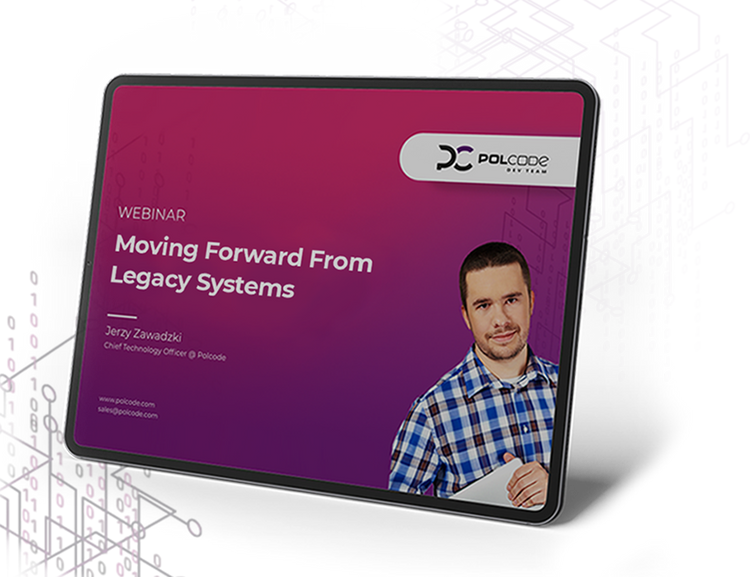
On-demand webinar: Moving Forward From Legacy Systems
We’ll walk you through how to think about an upgrade, refactor, or migration project to your codebase. By the end of this webinar, you’ll have a step-by-step plan to move away from the legacy system.
Latest Blog Posts
Let's Talk About Your Engineering Challenges
Share Your Goals
Tell us about your product, engineering team, or modernization plans.
Explore the Right Approach
We'll discuss how to improve delivery processes, reduce engineering friction, and support your business objectives.
Build with Confidence
Whether you need custom software development, application modernization, or engineering expertise, we're here to help.